Pancreatic cancer is a kind of cancer that occurs when the pancreas’ cells pancreas grow out of control and transform into an actual tumor. It is among the deadliest kinds of cancers, with 5-year survival rates of only 10 percent. This article will discuss the indications, causes, and treatment options, and methods to decrease your risk of getting pancreatic cancer.
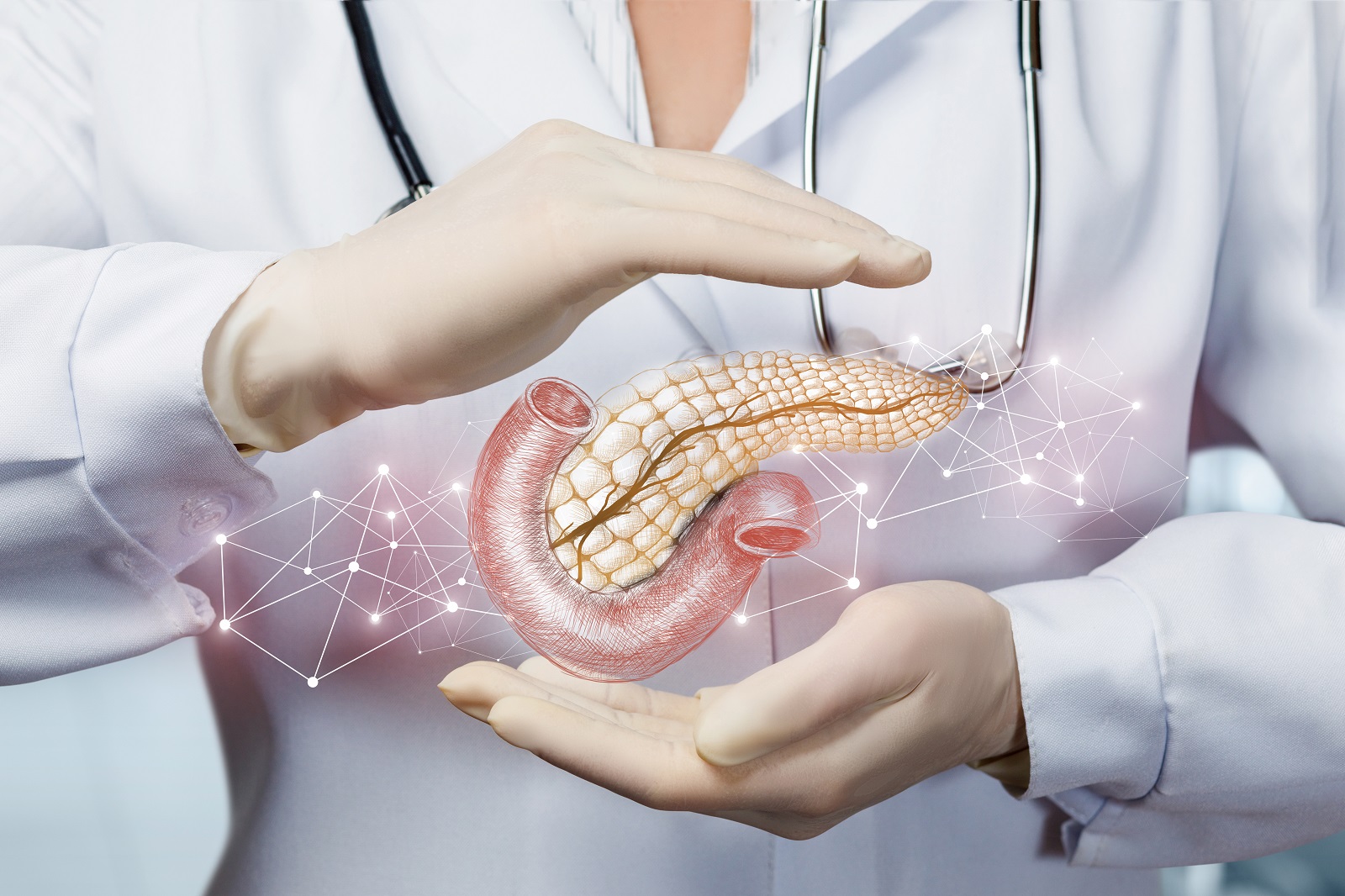
The Reasons
The causes of pancreatic cancer are not yet known, several risks have been discovered. Toxicology is the leading risk factor for pancreatic cancer. Smokers are between two and three times more likely to develop it as those who don’t. Other risk factors include obesity and age, as well as family history, genetic mutations, chronic pancreatitis and chronic diabetes pancreatica.
Signs and symptoms
It is normal that pancreatic cancer does not display symptoms in its early stages. It is this makes it difficult to identify. As the tumor grows, it may cause symptoms such as:
Abdominal pain radiating to the back
Weight loss and appetite loss
Jaundice (yellowing eyes and skin)
Nausea and vomiting
Fatigue
If you experience any of these symptoms it is essential to visit a doctor as soon as you can. The earlier diagnosis is essential for successful treatment.
Diagnosis
If your doctor suspects you are suffering from pancreatic cancer, they can order multiple tests to confirm the diagnosis. These tests can include imaging tests, such as CT scans, MRI scans, or ultrasound. Additionally, they may request taking a biopsy to take tiny amounts of tissue to study.
Treatment
The stage and the location of pancreatic cancer, along with the health of the patient overall will determine the treatment options. There are three main treatment options for pancreatic cancer: surgery, chemotherapy and radiation therapy.
Pancreatic cancer is usually treated surgically, particularly if the tumor is in the head of the pancreas. The goal of surgery is to eliminate the tumor as well as the surrounding tissue that could contain cancerous cells. Surgery is not always possible when the tumor is situated in the body or the tail part of the pancreas.
Chemotherapy is one type of cancer treatment that uses chemotherapy drugs to destroy cancerous cells. Chemotherapy is usually used in conjunction with radiation therapy and surgical procedures. Chemotherapy is administered either intravenously or by mouth. It may cause nausea, vomiting and hair loss.
The radiation therapy procedure is a high-energy radiation treatment which kills cancerous cells. It can be utilized by itself or in conjunction with chemotherapy or surgery. Some of the side effects of radiation therapy could include fatigue, skin irritation, and nausea.
Reducing your risk
There is no way to eliminate pancreatic cancer. However there are actions you can adopt that will decrease your risk. These include:
Stopping smoking cigarettes: If you smoke, quitting smoking is the most crucial thing you can do to reduce your risk of developing pancreatic cancer.
Weight-loss maintenance that is healthy: Obesity increases the risk of developing pancreatic cancer.
Dietary health: Eating a diet rich in fruits, vegetables, and whole grains may help decrease your risk of pancreatic cancer.
Limiting alcohol consumption: A higher risk for developing pancreatic cancer has been associated with a high level of alcohol consumption.
Treatment of chronic illnesses There is a way to lower your risk of developing the condition by consulting your physician in the event that you suffer from pancreatitis or diabetes.
Pancreatic cancer can be fatal and needs to be treated quickly. See a doctor promptly if you’re experiencing any indications of Pancreatic Cancer. Recognizing the risk factors and taking measures that reduce your risk can help you take control of your health and lower your chances of developing this deadly condition.
For more information, click pancreatic cancer research fund