If you’ve ever left an appointment with a doctor and received the referral to an MRI, CT scan, or X-ray scan, you may have wondered why the particular examination was chosen. Each takes photographs of the inside of your body. What’s the reason they’re not interchangeable?
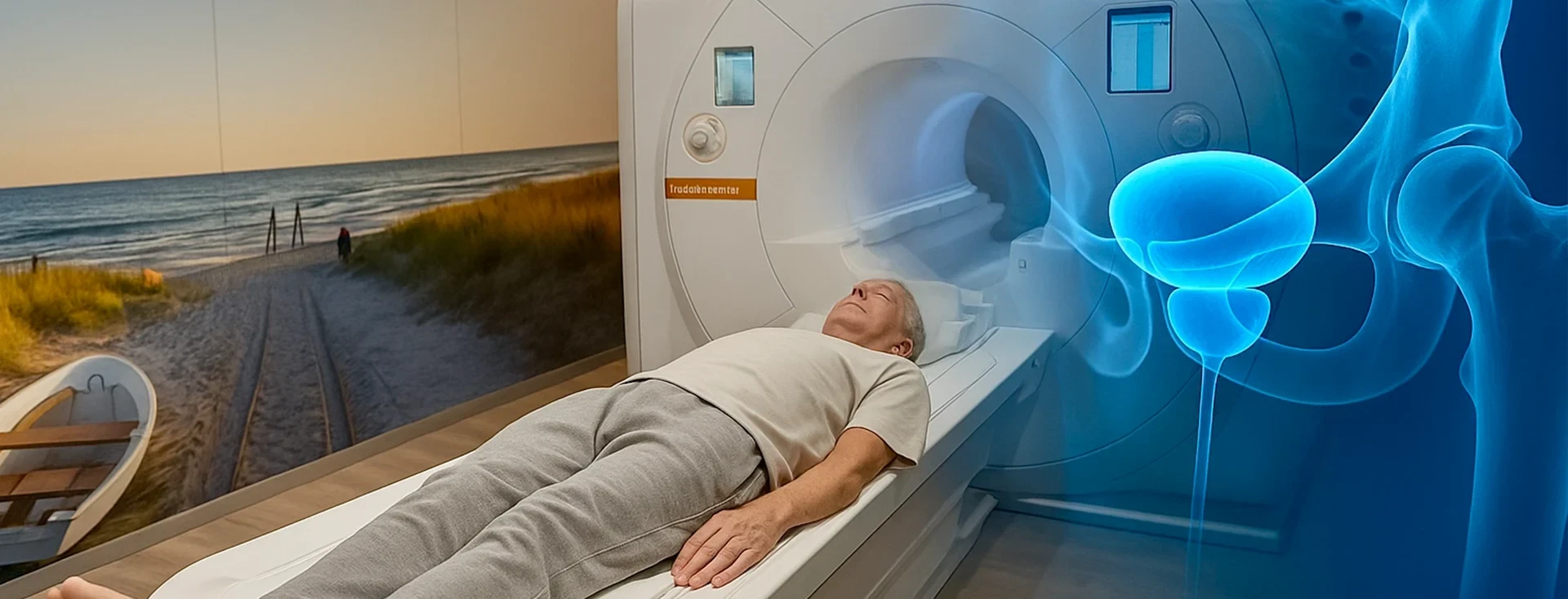
Image credit: diagnostikzentrum-wolfsburg.de
Diagnostic imaging today is more of the toolbox. The information provided by each technique is distinct, and depends on which part of the body you are looking at and what medical question you’re trying to find the answer to. At the Wolfsburg Diagnostic Center, several imaging technologies are available so examinations can be matched to a variety of diagnostic needs.
MRI Examining the body, but without radiation.
Magnetic resonance imaging, also referred to as MRI utilizes radiofrequency technology and magnetic fields rather than ionizing radiation to create high-quality images. MRI is particularly useful for viewing various types of organs, soft tissues joints, as well as other internal structures. For example, a patient who has joint problems might require information that is not available from an X-ray.
The Wolfsburg Diagnostic Center also provides specialized prostate MRI and complete body MRI exams. These programs take advantage of the ability of MRI to produce detailed images without exposing patients to radiation that is ionizing.
CT Creates detailed cross-sectional views
The way that computed tomography employs imaging is different. CT imaging is created by combining Xrays with computer processing. CT images are made in slices rather than a single image. This allows doctors to examine certain medical questions.
The center utilizes modern, low-dose CT technologies designed to minimize radiation exposure while also obtaining the required diagnostic information. CT imaging is also helpful with treatment. Periradicular treatment, or PRT, is a targeted injection therapy that uses CT guidance.
The well-known X-ray has an important role to play
The advancement of technology hasn’t made traditional radiography obsolete. Digital X ray diagnostics is an efficient and fast method to collect images, which can be helpful for all kinds of tests. Digital systems are also more efficient and produce less radiation than traditional methods. For more information, click here radiologie Wolfsburg
Sometimes, the most complicated examination may not be the best one. The best way to determine the diagnosis is to choose methods that is based on the clinical questions and not based on the latest equipment.
Breast Imaging Has Its Own Specialized Technology
Mammography is a diagnostic tool that has been specifically developed for breast cancer. Wolfsburg Diagnostic Center provides 3D mammography, in addition to the conventional mammography. It is also known as tomosynthesis. This technology can produce multiple images, which are then reconstructed in order to present a precise view of the breast tissue. It is crucial to have specialized imaging because various areas of the body have different challenges to diagnose.
A dated image can make an Image Newer and More Effective
A scan that you undergo today can reveal crucial information on your body. The comparisons to previous scans could sometimes be just as useful.
When previous images and data are available, medical professionals could be able evaluate the evolution of their findings over time rather than taking the current exam in isolated. Patients are encouraged to bring any previous medical and imaging findings to appointments.
Understanding the process aids patients better understand technology.
The Wolfsburg Diagnostic Center The Wolfsburg Diagnostic Center combines MRI and CT with digital X-rays, 3D mammography, and image-guided treatments. The focus is on patient communication and coordination.
Patients are given clear explanations for their exams, and educational videos offer additional information on medical procedures. The center also concentrates on the coordination of schedules and reduces waiting durations. Modern diagnostics rely on modern equipment, but a scan shouldn’t feel like an unexplained technical procedure.
Knowing why an exam was selected and the expected outcomes can assist patients in becoming better informed and make advanced medical technology feel considerably more comprehendable.